
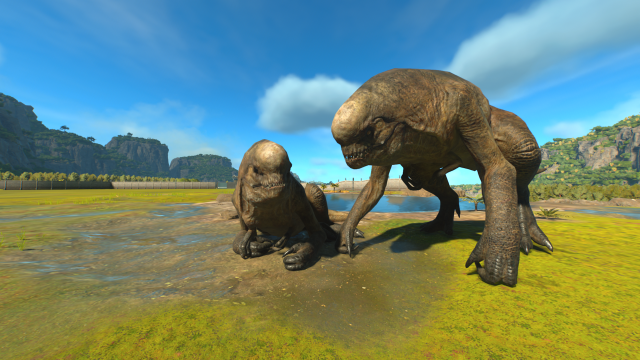
On Monday, I purchased the Jurassic World Evolution 3: Rebirth Expansion DLC for Jurassic World Evolution 3 (click here to see the review for the base game). Today, I will be giving a review based on my experience of the DLC.
As the fourth DLC of Jurassic World Evolution 3 (JWE3), the Rebirth Expansion is the first to introduce new maps to the game. These maps are all set on the island Île-Saint-Hubert from Jurassic World Rebirth. The first of the three new maps, Main Facility, takes the form of a C shape. However, this unique shape results in Main Facility having a lack of the wide open space I prefer, unlike Ancient Valley (the second new map). Ancient Valley features a massive expanse of open space with a couple smaller areas, ideal as hidden places for hatcheries and other facilities. My favourite new map is Riverside Lab which features 8 large sections divided by rivers and cliffs. As these rivers are mostly deep water, they also function as natural barriers for dinosaurs that can’t swim.
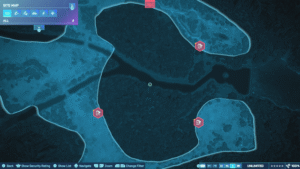
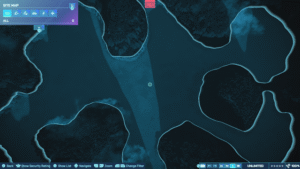
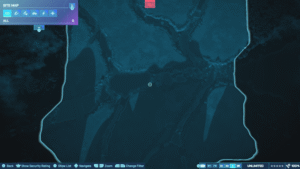
While Main Facility, Ancient Valley and Riverside Lab all provide good amounts of space, I do think that they should have all been different sizes instead of all being medium maps. This opinion is mainly due to there being three new maps and three different sizes of map in the game: small, medium and large. A smaller detail about the new maps is the loading screen. On most maps, there is a raptor chasing a goat in the bottom right corner of the loading screen. However, the raptor has been replaced with the raptor-pteranodon hybrid known as a Mutadon from the new DLC.
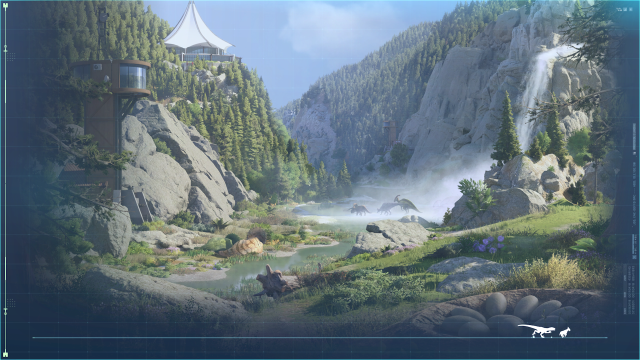
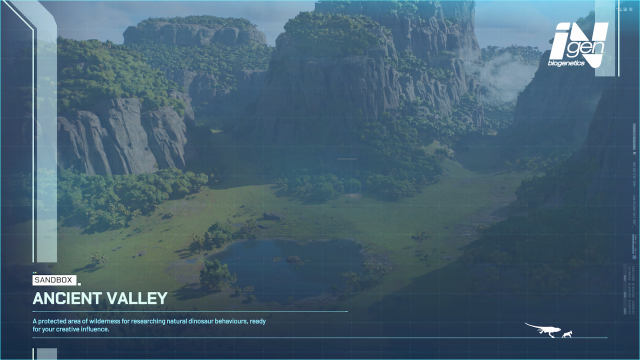
Left: Normal Loading Screen (usually has map name and gamemode on left)
Right: Rebirth Map Loading Screen
The Rebirth Expansion has also introduced the Open Air Aviary Sections, which are made of the standard concrete-wall base of all aviaries and what appears to be an invisible forcefield. These aviaries work extremely well with the enhanced terrain editing in aviaries from the free update: the glass or metal domes of other aviaries would make it difficult to see flying reptiles that are in a ditch or high in the air or on a tall hill. I was also pleased to see that the balloon tour goes through the Open Air Aviaries instead of going over them like standard aviaries.
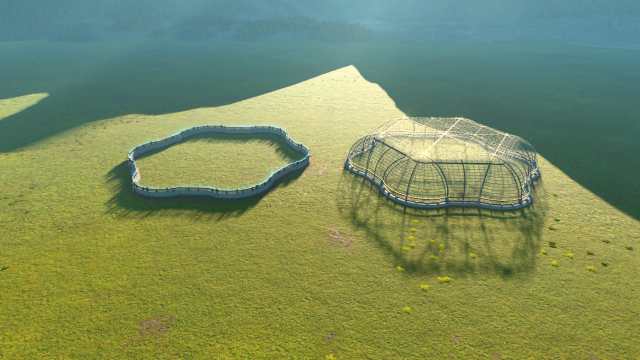
Right: Normal Aviary
Left: Open Air Aviary
Two more features added in the DLC are the new campaign and geothermal energy. As stated on the Jurassic World Evolution 3 website, the campaign is “inspired by Jurassic World Rebirth”. The geothermal energy system appears to consist of underground pipes, which is more appealing than using the normal power and having loads of pylons and generators scattered in the open around the park. However, I usually play sandbox with unlimited energy turned on, so I probably will not use either of these two features.
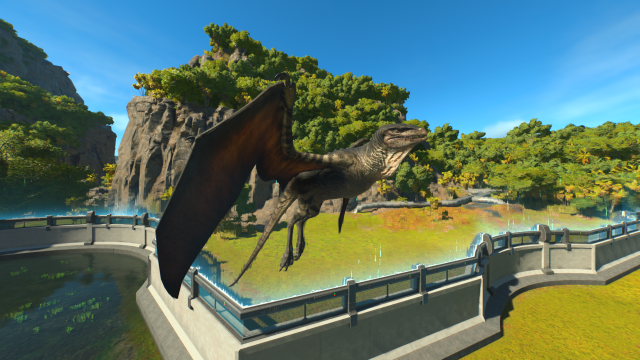
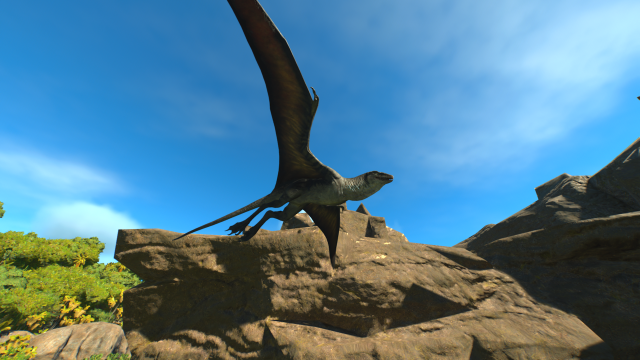
Jurassic World Evolution 3: Rebirth Expansion has also added four new species. The first of these is a hybrid made primarily from velociraptor and pteranodon DNA. The Mutadon is the only new flying reptile added in the DLC and adds variety to the flying reptiles in two ways. First, the Mutadon’s needs prey (goats) to hunt while every other flying reptile requires fish, making it the perfect flying reptile for a carnivore park. Furthermore, the Mutadon appears to spend more time on the ground than other flying reptiles. The Mutadon’s only flaw, like the new Distortus Rex, is that it only has skins based on the film appearance. I can not see why players should not be able to customise the appearance like other dinosaurs as the Indominus Rex and Indoraptor, two hybrids from films that appear in the base game, can have their base colour and pattern customised beyond the film skins.
The second new species if the Distortus Rex, a man-made creature in the film, that features four arms. Two of these are long and powerful, being used as front legs by the Distortus. Meanwhile, the other two are short and resemble the iconic arms of the Tyrannosaurus Rex, suggesting the DNA of this carnivore might be part of the Distortus Rex’s genome. However, the game does not provide any information on what DNA was used to create this six-limbed carnivore. Along with its unique appearance, the Distortus also has a social animation that, unlike most, does not resemble the social interactions of other dinosaurs.
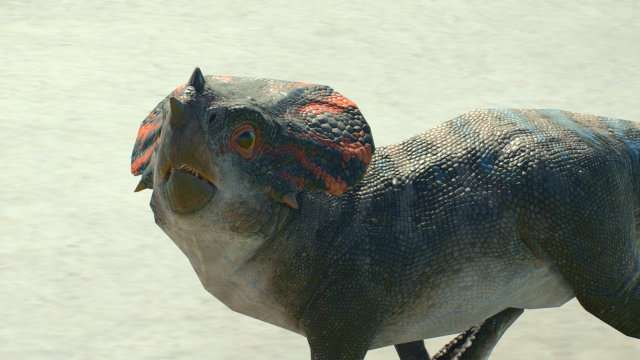
A smaller new species is the aquilops, a small herbivore. Unlike most dinosaurs, aquilops can go from walking on four legs to standing up on two. Furthermore, there appears to be a small difference between the male and female aquilops: males appear to have slightly larger horns.
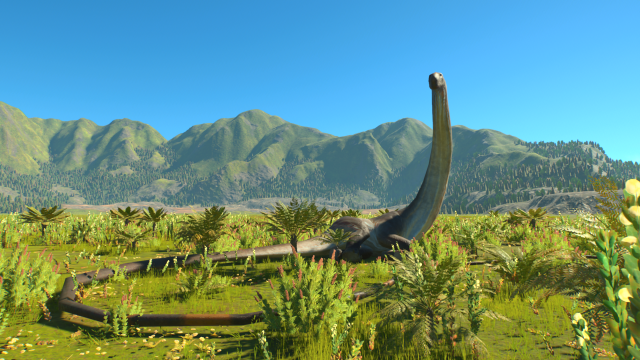
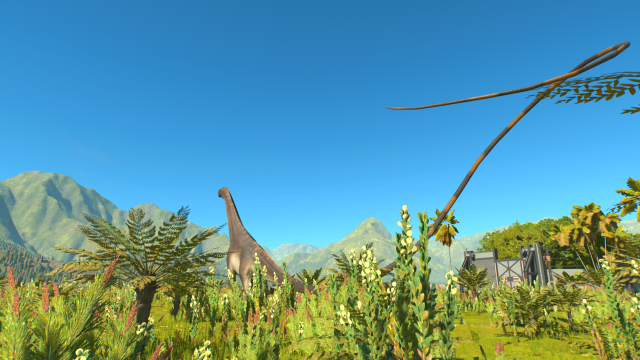
The last new creature introduced is the Titanosaurus. The social requirements of this species are different to most sauropods While most sauropods only need one adult in the population, titanosaurus needs three. One of the defining features of this sauropod is its extremely long tail. This is shown clearly by the hatchery release animation, which shows the long tail rising above the trees before any other part of the creature is revealed.
Jurassic World Evolution 3: Rebirth Expansion has also given new skins to six dinosaurs from the base game with four also receiving new models. The Spinosaurus is one of these four species and the new model is the most different to the original. While the normal spinosaurus features long legs, fairly dull colours and a sail on its back, the new model is much smaller and slightly bulkier with bright colours and a sail reaching from the start of its neck to its tail.
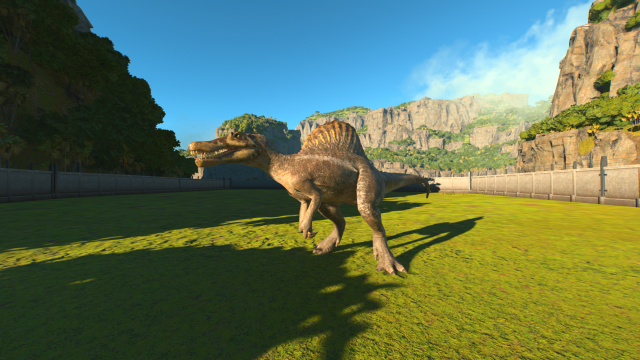
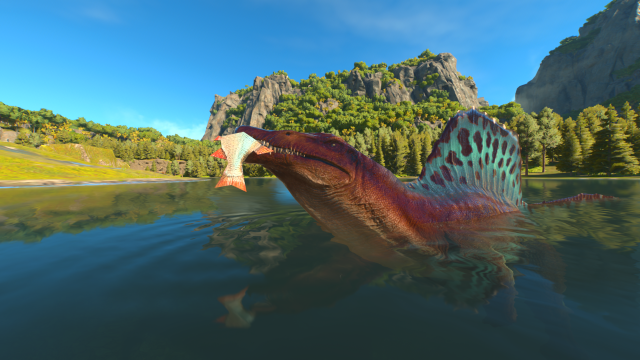
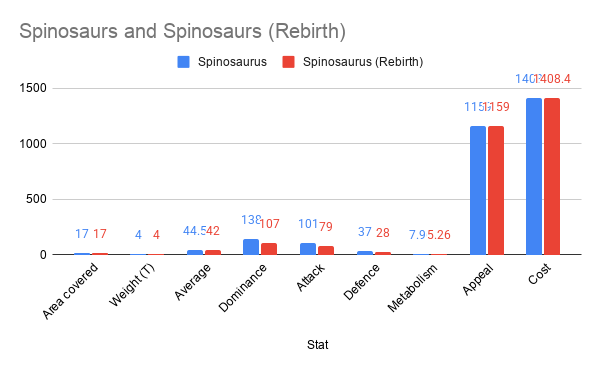
The stats of these two models also vary. The Rebirth model having a shorter average lifespan with smaller dominance, attack, defence and metabolism stats.
The tyrannosaurus rex has also gained a new model which appears to have a shorter snout. As this difference is minor, players could use the two models to make males and females with slightly different builds, something that the base game did not give to the tyrannosaurus. Along with the new model, a highly detailed skin based on the creature’s appearance in Jurassic World Rebirth has been added.
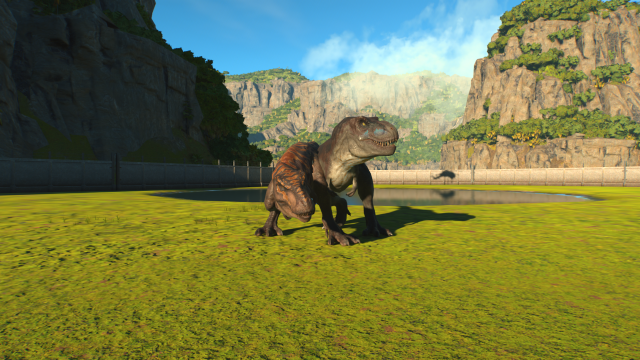
Left: Normal Model
Right: Rebirth Model
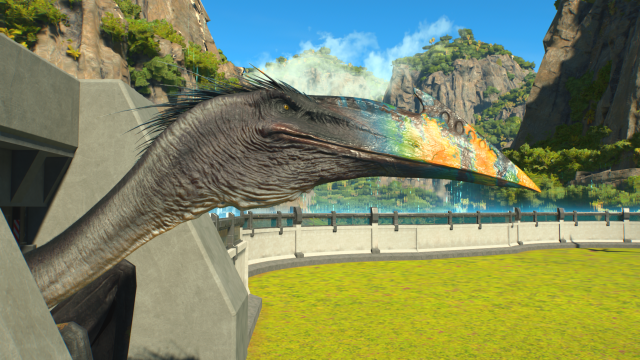
While the Mutadon is the only new flying reptile, another flying reptile (Quetzalcoatlus) has received a new model. This new model features a larger, more detailed beak with what resembles a spike or horn. Due to this, the creature appears more aggressive and dangerous despite no obvious changes being made to its behaviour.
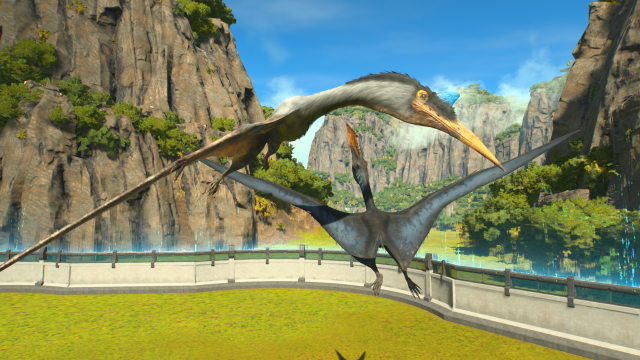
Bottom: Rebirth Model (with Jurassic World Rebirth skin)
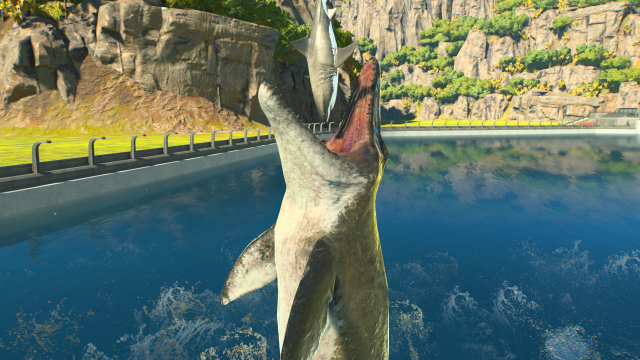
The mosasaurus (a large aquatic reptile) has also gained a new model that has a much smoother back, shedding the spikes that covered the back of the original model. When customising the appearance, the pattern chosen makes a more noticeable difference than on the original model, where it was almost impossible to identify what the pattern changes. Like the other dinosaurs that have received new models, the mosasaurus now has a skin based on what it looked like in Jurassic World Rebirth.
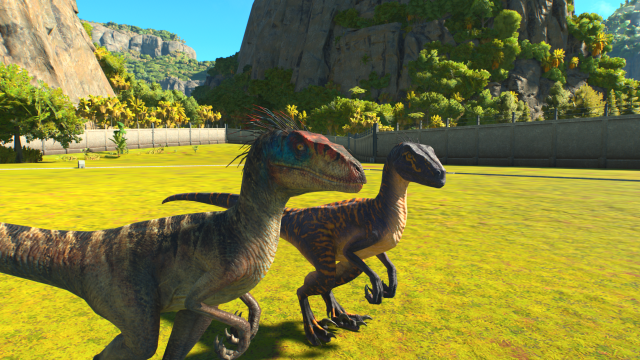
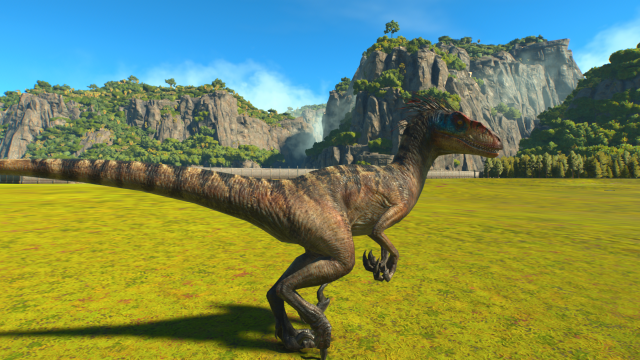
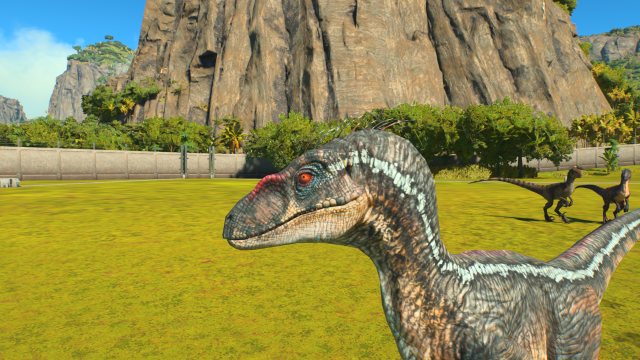
While it does not have a new model, the velociraptor has four new skins (two male and two female). The quills on the male skins are noticeably larger than those on other male raptors. Furthermore, the head shape of all four new raptors has changed, resembling the Jurassic Park 3 raptors instead of other raptors.
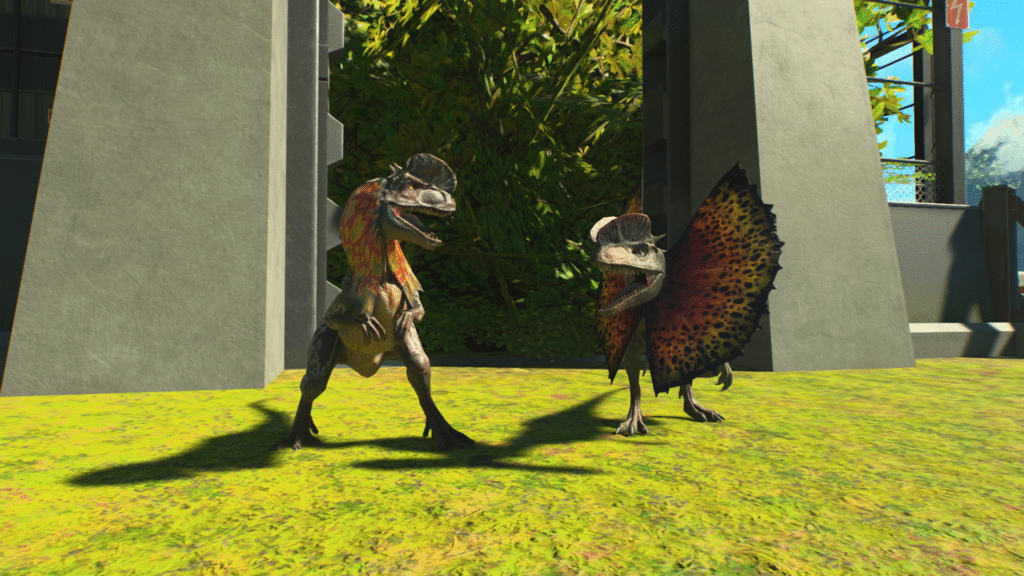
The sixth dinosaur to receive a new skin is the Dilophosaurus which, like the velociraptor, does not have a new model. With most skins (custom an dfilm skins), the crest of the males are bigger than the females’. However, the new skin given to the female dilophosaurus by the DLC features a crest larger than those of male skins.
Overall, Jurassic World Evolution 3: Rebirth Expansion has added a large variety of new features, dinosaurs and dinosaur designs, making it worth the £19.99 paid for it even if some features are not used.